
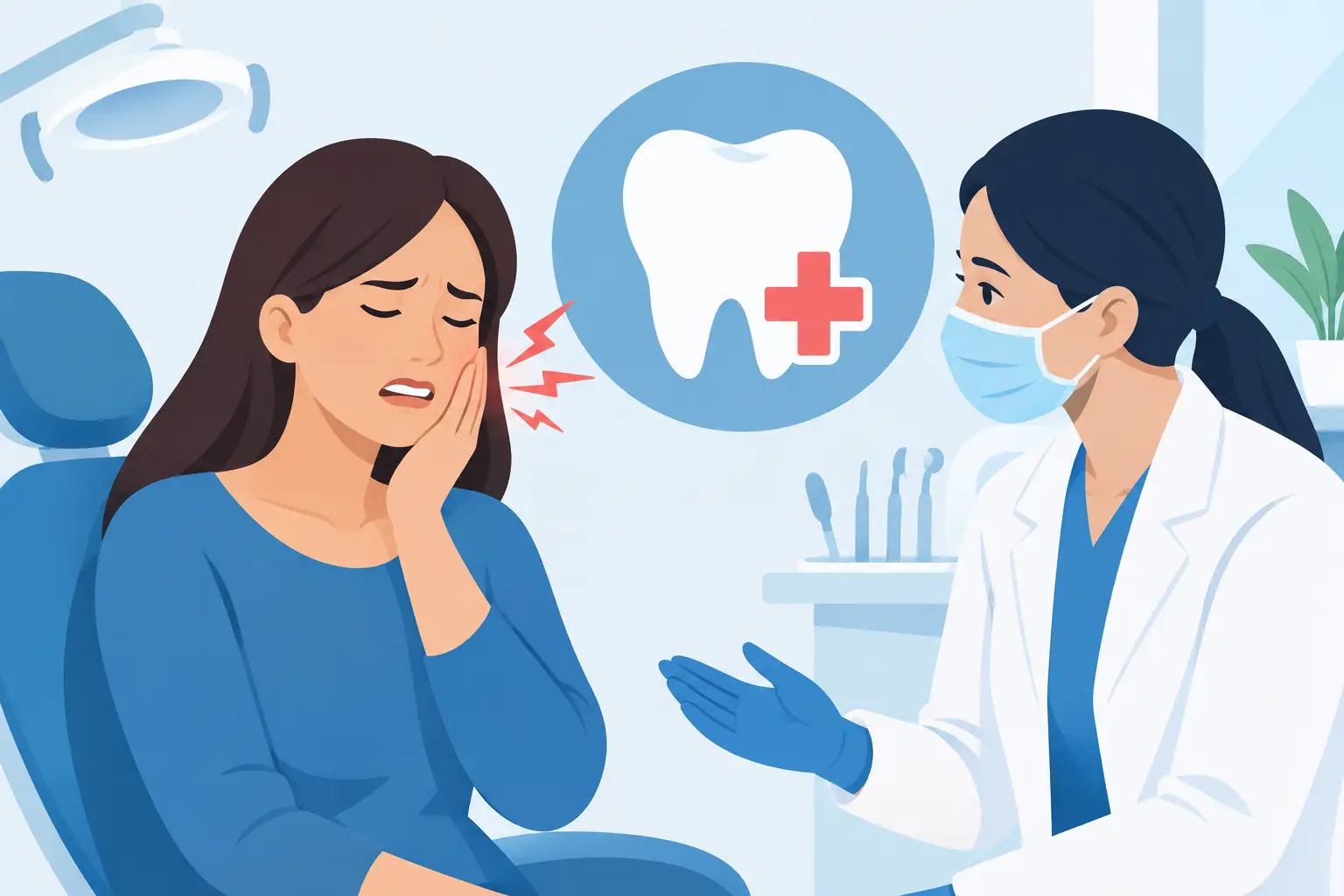
A broken tooth at breakfast, a child with a tooth knocked out on the playing field, or a swelling that has worsened overnight can make it difficult to think clearly. This guide to dental emergency care explains what requires urgent attention, what you can safely do while arranging help, and when a hospital emergency department is the right choice.
The aim is not to diagnose the problem at home. It is to protect your comfort and safety, avoid making an injury worse, and get the right clinician involved without unnecessary delay.
What Counts as a Dental Emergency?
Not every dental problem needs an immediate appointment, but severe pain, infection, trauma and uncontrolled bleeding should never simply be endured. A dental emergency is usually a problem that needs prompt professional assessment to relieve significant symptoms, prevent damage to the tooth or manage a risk to your wider health.
Urgent dental care is commonly needed for severe toothache that disrupts sleep or daily life, facial swelling, a dental abscess, a knocked-out or loose adult tooth, persistent bleeding after an extraction, or a broken tooth with sharp edges or exposed inner tissue. A lost filling, a chipped tooth without pain, or mild sensitivity may still need treatment, but can often wait for the next available routine appointment.
The deciding factor is not only how the tooth looks. Pain, swelling, bleeding, fever, trauma and changes in your ability to eat, swallow or breathe all matter.
When to Seek Emergency Medical Help
Most tooth and gum problems are best assessed by a dentist. However, some symptoms require emergency medical care rather than waiting for a dental appointment.
Call 999 or attend A&E if swelling is affecting breathing or swallowing, spreading rapidly towards the eye or neck, or is accompanied by confusion, collapse or serious difficulty opening the mouth. Seek emergency help for bleeding that will not stop after firm, continuous pressure, or for major facial or jaw injuries following an accident.
These situations can be serious because swelling, infection or trauma may affect areas beyond the mouth. Do not drive yourself if you feel faint, unwell or unable to concentrate. If possible, ask someone to accompany you.
Dental Emergency Care for Severe Toothache
Severe toothache can feel relentless, particularly when inflammation or infection has reached the nerve inside a tooth. Pain may be sharp, throbbing, constant or triggered by heat, cold and pressure. It can also radiate into the jaw, ear or temple.
Start by gently rinsing your mouth with warm water and carefully flossing around the painful tooth. Food trapped between teeth can occasionally cause sudden, intense discomfort. Do not place aspirin, clove oil or any painkiller directly against the tooth or gum, as this can burn soft tissues and make matters worse.
You may be able to take over-the-counter pain relief if it is suitable for you and you follow the instructions on the packet. A pharmacist can advise if you take regular medicines, are pregnant, have allergies or have a medical condition that affects which medicines are safe. Keep your head elevated when resting, as lying flat can intensify throbbing pain for some people.
Pain relief is a temporary measure, not treatment. A dentist needs to identify the cause, which could range from decay or a cracked tooth to gum disease, a damaged filling or infection. Antibiotics are not a substitute for dental treatment and are not appropriate for every painful tooth.
Swelling, Abscesses and Signs of Infection
A dental abscess is a collection of pus caused by bacterial infection. It may cause a painful swelling on the gum, a bad taste, fever, tenderness in the face or jaw, and pain that comes and goes. Occasionally, pain eases when an abscess drains, but the infection itself has not necessarily resolved.
Contact a dentist urgently if you have facial or gum swelling, especially alongside toothache, fever or feeling generally unwell. Do not attempt to burst, squeeze or drain a swelling yourself. Avoid applying heat to the outside of the face, as it may worsen swelling. A cool compress wrapped in a cloth can be more comfortable for short periods.
A dentist may need to drain the infection or treat the affected tooth. The precise treatment depends on the cause and severity, and may involve restoring the tooth, root canal treatment or removal where a tooth cannot be saved. Early assessment gives the best chance of resolving the issue comfortably and protecting your long-term oral health.
What to Do if a Tooth Is Knocked Out or Broken
A knocked-out permanent tooth needs immediate attention. Time matters, so act calmly and quickly. Hold the tooth by the crown, which is the visible biting surface, rather than the root. If it is dirty, rinse it briefly in milk or saline solution. Avoid scrubbing it or removing any tissue attached to the root.
If you can do so safely, place the tooth back into its socket and gently bite on clean gauze or a cloth to hold it in position. If this is not possible, keep it moist in milk or saliva in a clean container and seek urgent dental care. Do not store it in plain water. A baby tooth should not be put back into the socket because of the risk of damaging the developing adult tooth beneath it.
For a chipped, cracked or broken tooth, rinse your mouth with warm water and retain any fragments you can find. Cover a sharp edge with dental wax if available, or sugar-free chewing gum as a very short-term measure, taking care not to swallow it. A cold compress on the cheek can help manage swelling after an impact.
If the injury has caused dizziness, vomiting, loss of consciousness, a deep cut, or concern about the jaw or head, seek emergency medical assessment as well as dental advice.
Lost Fillings, Crowns and Veneers
A lost filling or crown is rarely life-threatening, but it can leave a tooth sensitive, vulnerable and uncomfortable. Keep the restoration if you have it, as a dentist may be able to assess whether it can be reused. Avoid chewing on that side and steer clear of very hot, cold, sweet or sticky foods.
Temporary dental repair material from a pharmacy may offer short-term protection, but it is not a long-term fix. Do not use household glue to reattach a crown, veneer or bridge. These products are not safe for use in the mouth and can make professional repair more difficult.
Arrange a dental appointment promptly. The longer a tooth remains exposed, the more likely it is to become painful or fracture further.
Preparing for an Urgent Dental Appointment
When you call, explain when the problem began, whether pain or swelling is worsening, and any injury involved. Mention relevant health information, including pregnancy, blood-thinning medicines, allergies, diabetes, immune conditions or recent surgery. This helps the dental team prioritise safely and prepare for your visit.
Bring a list of regular medicines if you have one, along with any broken tooth fragment, lost crown or dental appliance. For children, reassure them with simple language: the dentist will look carefully, help make the mouth comfortable and explain what happens next. Avoid promising that nothing will hurt, but let them know they will not have to manage it alone.
At One Clinic Leigh, patients can access private dental care within a calm, CQC-approved polyclinic setting, with the added reassurance of wider healthcare services under one roof when appropriate. For urgent concerns, contact the clinic directly so the team can advise on the most suitable next step and appointment availability.
Reducing the Chance of Another Emergency
Some emergencies cannot be predicted, but many are less likely with regular check-ups, hygiene care and early treatment for small problems. A dentist can spot cracks, failing fillings, gum inflammation and signs of tooth wear before they become painful.
If you or your child plays contact sport, a professionally fitted mouthguard offers far better protection than a generic alternative. If you grind your teeth, wake with jaw tension or notice repeated chipping, ask about a night guard and an assessment of the underlying cause. Crowns, fillings and veneers also benefit from sensible habits: do not use teeth to open packaging, and take care with hard foods.
When a dental problem feels urgent, trust the symptoms rather than hoping they will disappear. A prompt call can turn a frightening moment into a clear plan for relief, recovery and confident care.
Related articles
Private GP versus walk-in: Which Care Fits?
Private GP versus walk-in care: compare speed, continuity, costs and clinical scope, so you can choose the right support when you need it, close to home.
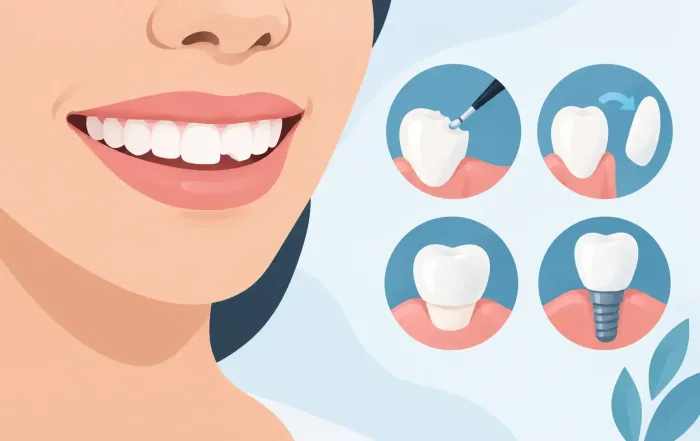
Best Options for Chipped Teeth Explained
Explore the best options for chipped teeth, from smoothing to bonding, veneers and crowns, with guidance on choosing treatment that best suits your smile.

How to Choose a Private GP With Confidence
Learn how to choose a private GP who offers timely appointments, continuity and clinical standards, so your care feels personal, trusted and convenient.


