
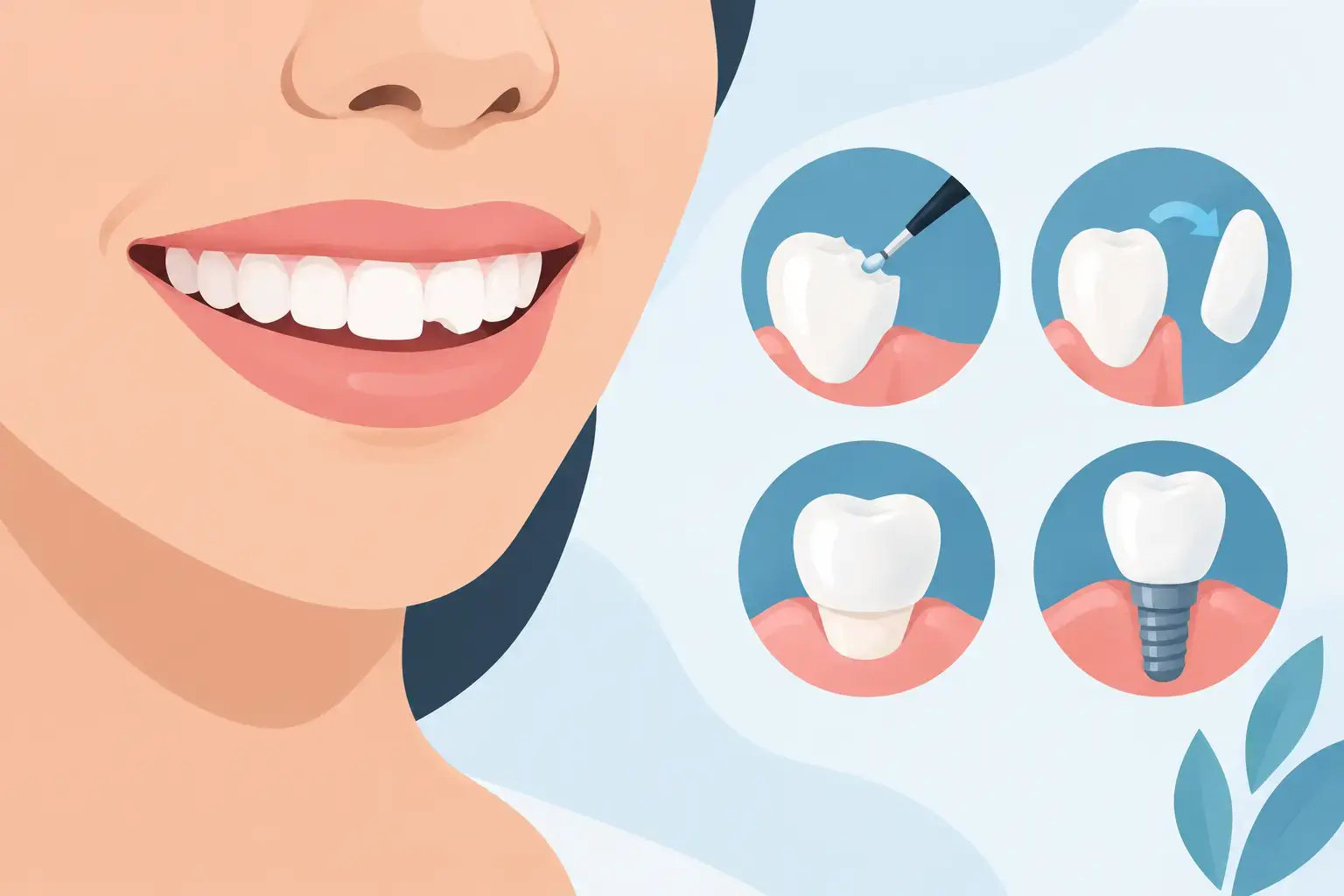
A chipped tooth can be a tiny rough edge you keep catching with your tongue, or a visible change that makes you hesitate before smiling in photographs. Either way, it deserves a proper assessment. The best options for chipped teeth depend on how much tooth structure has been lost, where the chip sits, whether there is pain, and what you want your finished smile to look like.
The reassuring news is that modern dentistry offers solutions for everything from a minor enamel chip to more significant damage. The right choice is not always the most extensive treatment. A skilled dentist will aim to protect as much healthy tooth as possible while restoring comfort, strength and a natural appearance.
When a chipped tooth needs prompt attention
Not every chip is a dental emergency, but it is sensible to arrange a dental appointment soon, especially if the tooth feels sharp, sensitive or looks noticeably different. A chip can leave a weakened edge that is more likely to break further when biting.
Seek urgent dental advice if you have severe or persistent pain, facial swelling, bleeding that does not settle, a loose tooth, or if a large piece has broken away. These can indicate damage to the inner part of the tooth or an infection that needs timely care. If you can find the broken fragment, keep it in milk or saliva and bring it to your appointment. In some cases, it may be possible to reattach it.
Until you are seen, avoid biting on the affected side and choose softer foods. If the edge is cutting your cheek or tongue, dental wax from a pharmacy can provide temporary protection. Do not try to smooth, glue or repair the tooth yourself.
Best options for chipped teeth
Your dentist will examine the tooth, surrounding teeth and bite. An X-ray may be recommended where the chip is deeper, there has been a knock to the mouth, or the tooth is sensitive. This helps identify cracks, nerve damage or root problems that cannot be seen from the outside.
Polishing or contouring for very small chips
For a tiny chip limited to enamel, gentle smoothing may be all that is required. The dentist carefully reshapes the uneven edge so it feels comfortable and blends naturally with the neighbouring teeth.
This is usually the quickest and most conservative option. It works best where only a very small amount of enamel is involved and the tooth remains strong. The trade-off is that reshaping removes a small amount of tooth surface, so it is not the right solution for a larger chip or a tooth that has already become shorter through wear.
Composite bonding for a natural repair
Composite bonding is one of the most popular treatments for a chipped front tooth. A dentist layers a tooth-coloured resin onto the damaged area, shapes it by hand and hardens it with a curing light. The material can be matched closely to the shade and translucency of your natural enamel.
Bonding is often completed in one appointment, requires little or no drilling, and can restore both the shape and confidence of a smile without covering the whole tooth. It is particularly useful for modest chips, worn edges and small gaps.
Composite does require care. It can gradually pick up staining from coffee, tea, red wine or smoking, and may chip if you bite nails, pens or hard foods. Repairs are usually straightforward, but the material may need polishing, maintenance or replacement over time. If you clench or grind your teeth, a night guard may protect the result.
Veneers for a wider cosmetic change
A veneer is a fine facing, usually made from porcelain or composite, bonded to the front of a tooth. It can conceal a chipped edge while also improving colour, shape, symmetry or other aesthetic concerns. For someone with several worn, uneven or discoloured front teeth, veneers may create a more consistent result than repairing one tooth alone.
Porcelain veneers tend to offer excellent colour stability and a lifelike finish. They are also generally more resistant to staining than composite. However, they are a greater commitment than bonding and often require a small amount of enamel preparation. They are not automatically the best answer to every chip, particularly when a simple repair would preserve more natural tooth.
Composite veneers can be a more conservative alternative in selected cases, though they share the maintenance considerations of composite bonding. The most suitable approach depends on your enamel, bite, expectations and budget.
Crowns when the tooth needs strength as well as appearance
Where a substantial part of a tooth has fractured, a crown may be recommended. A crown covers the tooth like a precisely fitted protective cap, restoring its form and helping it cope with chewing forces. It is more commonly used for back teeth, or front teeth with significant structural loss, large existing fillings or a history of root canal treatment.
A crown is a durable option, but it involves more preparation than bonding or a veneer. For that reason, dentists usually reserve it for teeth that genuinely need comprehensive protection. A well-planned crown should feel comfortable, work with your bite and be designed to complement your natural smile.
Root canal treatment if the nerve is affected
A deep chip can expose or inflame the dental pulp, which contains the tooth’s nerve and blood supply. Signs can include lingering sensitivity to hot or cold, spontaneous toothache, pain on biting or a change in tooth colour. In these circumstances, repairing the visible chip alone may not address the underlying problem.
Root canal treatment removes infection or damaged tissue from inside the tooth, allowing it to be cleaned and sealed. The tooth is then restored with composite, a crown or another appropriate restoration. Although the phrase can sound daunting, modern treatment is carried out with effective anaesthesia and careful attention to comfort.
Choosing the right treatment for your smile
The best repair balances appearance with long-term tooth health. A small front-tooth chip in otherwise healthy enamel may be ideal for smoothing or bonding. A tooth with repeated fractures may need investigation into the way your teeth meet, grinding habits or a weakened old filling before a longer-lasting restoration is chosen.
Your dentist should also consider the cause. Chips can happen after a fall, sports injury or biting something unexpectedly hard, but they can also be a sign of tooth grinding, acid erosion or an uneven bite. Repairing the tooth without addressing the cause can leave you returning with the same problem.
At a cosmetic consultation, it is reasonable to discuss the shade, shape and level of change you would like. A good result should not look generic. It should suit your features, neighbouring teeth and the way you smile. Ask what preparation is involved, how the restoration may age, what maintenance it needs and what happens if it chips again.
Protecting a repaired tooth
A repaired tooth can serve you well for years with the right habits. Brush twice daily using fluoride toothpaste, clean between your teeth and attend regular examinations and hygiene appointments. If you play contact sport, wear a professionally fitted mouthguard. If you wake with jaw tension, headaches or signs of wear, ask about a night guard rather than assuming it is simply stress.
Avoid using your teeth as tools to open packaging, cut thread or hold objects. Be mindful with very hard sweets, ice and popcorn kernels, particularly after composite bonding or veneer treatment. These small changes can make a meaningful difference to the lifespan of your restoration.
A chipped tooth does not have to become a lasting source of discomfort or self-consciousness. At One Clinic Leigh, a dental assessment can clarify the cause, explain your treatment choices clearly and help you move forward with calm, personalised care.
Related articles

Private GP versus walk-in: Which Care Fits?
Private GP versus walk-in care: compare speed, continuity, costs and clinical scope, so you can choose the right support when you need it, close to home.
Best Options for Chipped Teeth Explained
Explore the best options for chipped teeth, from smoothing to bonding, veneers and crowns, with guidance on choosing treatment that best suits your smile.

How to Choose a Private GP With Confidence
Learn how to choose a private GP who offers timely appointments, continuity and clinical standards, so your care feels personal, trusted and convenient.


