
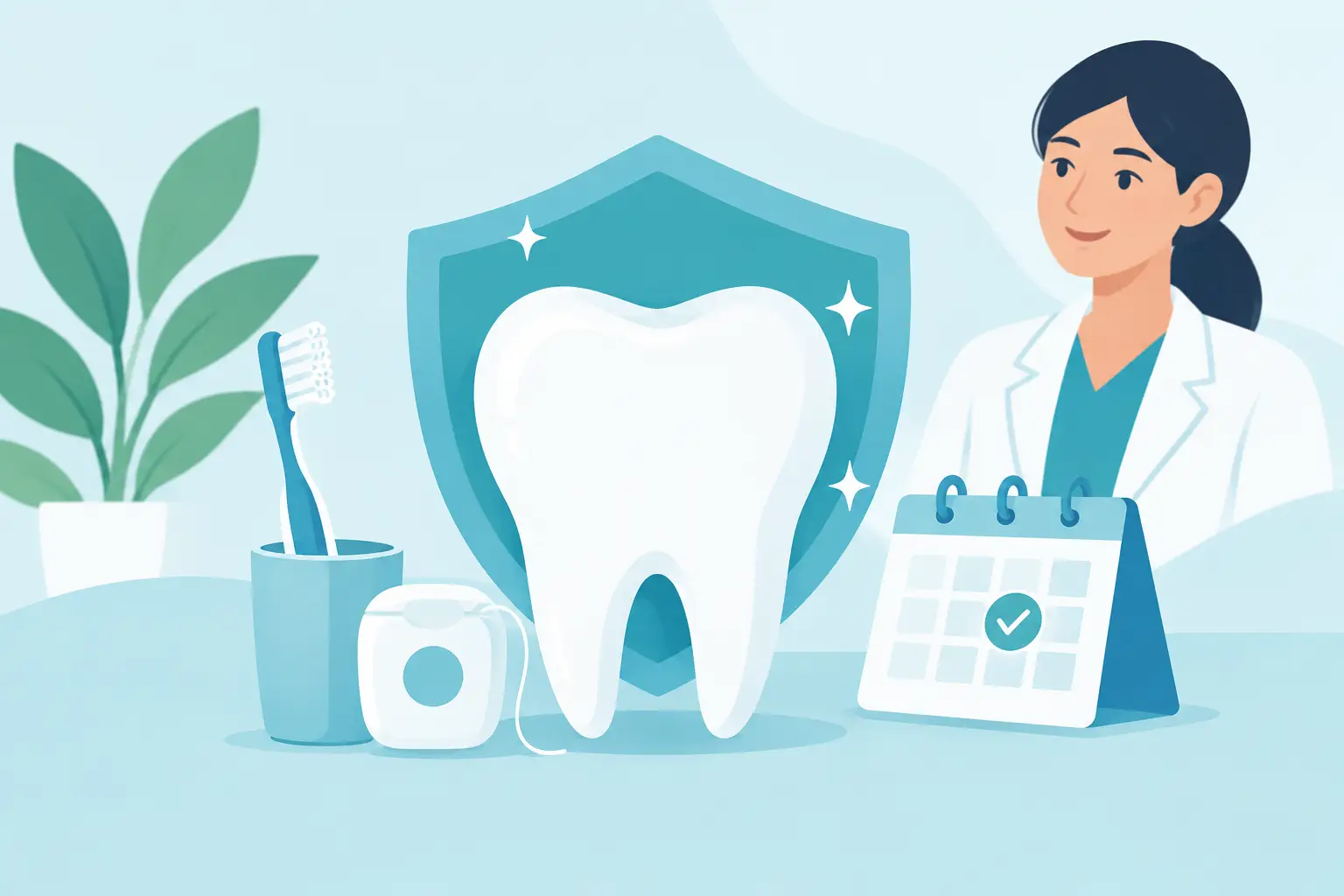
A tooth rarely becomes painful without giving quieter signals first. Slight bleeding when brushing, lingering sensitivity or a filling that feels different can all be early signs that deserve attention. Preventive dentistry is designed to find and address these changes before they become an urgent appointment, a more complex treatment plan or an avoidable disruption to family life.
For busy households in Leigh-on-Sea, it is easy to postpone a check-up when nothing seems wrong. Yet oral health is closely connected to comfort, confidence, eating well and, for many people, their sense of wellbeing. Regular, thoughtful dental care offers reassurance as well as practical protection.
What preventive dentistry involves
Preventive dentistry is the ongoing care that helps keep teeth, gums and the wider mouth healthy. It is not limited to a scale and polish or a six-monthly examination. It combines professional assessment, hygiene support and advice that reflects your individual risks, lifestyle and goals.
At a dental examination, your clinician will assess more than visible decay. They check the condition of teeth, fillings, crowns and gums, look for signs of tooth wear or grinding, and assess the soft tissues of the mouth. Where clinically appropriate, X-rays can reveal issues that are not visible during a routine visual check, including decay between teeth or concerns beneath existing restorations.
Hygiene appointments focus on the build-up of plaque and hardened deposits that brushing alone may not remove. They also create time to refine brushing and interdental cleaning techniques. This matters because gum disease often progresses quietly. Bleeding gums are common, but they should not be accepted as normal.
The right recall interval depends on your oral health rather than a fixed calendar rule. Someone with healthy teeth and gums may need less frequent review than a patient managing gum disease, extensive dental work, dry mouth or a higher risk of decay. Personalised intervals are a more meaningful way to protect long-term health.
Why early care can mean simpler treatment
The strongest case for prevention is not that every dental problem can be avoided. Genetics, medication, illness, pregnancy, stress and accidents can all affect the mouth. The value lies in detecting change early, when there may be more options and treatment is often less invasive.
Early enamel decay, for example, may sometimes be managed with fluoride support, dietary guidance and careful monitoring. Once decay has progressed into a cavity, a filling may be required. If infection reaches the nerve of the tooth, treatment can become more involved and may include root canal treatment or extraction. The same pattern applies to gum health: early inflammation can often improve with good home care and professional hygiene, whereas advanced gum disease can cause irreversible loss of supporting bone.
Prevention can also protect previous investment in your smile. Crowns, veneers, implants, bridges and orthodontic results all benefit from consistent cleaning and review. Cosmetic dentistry looks its best when the gums around it are healthy, and retainers after Invisalign need to be worn and checked to help teeth remain in position.
The daily habits that make the greatest difference
Professional care works best alongside a realistic routine at home. For most adults and children, that means brushing twice a day with a fluoride toothpaste, including last thing at night. Spit out excess toothpaste after brushing rather than rinsing straight away, so fluoride can remain on the teeth for longer.
Cleaning between the teeth is just as valuable, particularly where teeth touch closely or gum bleeding occurs. Interdental brushes are often effective, though floss or tape may suit tighter spaces. The most suitable option depends on the shape of your teeth, any bridges or implants, and the health of your gums. A dental professional can show you the technique rather than leaving you to guess.
Food and drink choices matter too, but prevention should not feel like a restrictive regime. Frequent exposure to sugar and acidic drinks is generally more damaging than enjoying them occasionally with a meal. Sipping fizzy drinks, fruit juice or sweetened coffee over several hours keeps teeth under repeated acid attack. Water between meals is a kinder choice for enamel, while chewing sugar-free gum after eating may help stimulate saliva.
If you smoke or use nicotine products, asking for support to stop is one of the most positive steps you can take for gum health and oral cancer risk. Alcohol intake, persistent dry mouth and certain medications can also alter risk. These are useful conversations to have openly during an appointment, without judgement.
Preventive dentistry for children and families
A child’s first dental visits should feel calm and familiar, not something reserved for when they have toothache. Early appointments help children become comfortable with the sights, sounds and people involved in dental care. They also give parents clear guidance on brushing, fluoride, diet and the development of adult teeth.
Children need help brushing until they have the dexterity to do it properly themselves, which is often later than parents expect. A small, soft toothbrush and age-appropriate fluoride toothpaste are usually recommended, but individual advice is especially helpful for children with braces, sensory needs, a history of decay or a very selective diet.
Families also benefit from coordinating routine care. Booking examinations and hygiene visits around school terms, work commitments and holidays makes dental health easier to maintain. It turns prevention into part of normal family care rather than another task that only becomes urgent when there is a problem.
When you may need more frequent support
Some people need a more focused preventive plan, even if they brush carefully. This includes patients with bleeding gums, a history of repeated fillings, diabetes, dry mouth, reflux, orthodontic appliances or extensive restorative work. Pregnancy can also bring changes in gum health, while stress-related clenching may lead to worn or sensitive teeth.
A tailored plan might include more regular hygiene appointments, additional fluoride applications, periodontal monitoring or advice on protecting teeth from grinding. There is a balance to strike: more frequent appointments should be clinically justified and clearly explained, not simply assumed. The aim is appropriate care that gives you confidence in your oral health.
At One Clinic Leigh, dental care sits within a wider private healthcare setting, making it easier to look after routine needs in a calm, convenient environment. For patients managing broader health concerns, that joined-up approach can be particularly reassuring.
When not to wait for a routine check-up
Prevention includes acting promptly when something changes. Contact a dentist sooner if you have persistent toothache, swelling, a loose tooth, a broken restoration, an ulcer that has not healed within three weeks, unexplained numbness, or bleeding that does not settle with improved cleaning. A dental emergency cannot always be prevented, but early advice may limit discomfort and complications.
Equally, do not ignore signs simply because they come and go. Sensitivity to hot or cold, bad breath that persists despite cleaning, jaw pain on waking, or a change in how your teeth meet can all warrant an assessment. Most causes are manageable, but certainty comes from a proper examination rather than hoping the issue will settle.
A healthy smile is built through small, consistent decisions: keeping appointments, asking questions and responding to changes early. Choosing preventive care gives you the best chance of keeping your natural teeth comfortable, functional and confident for years to come.
Related articles

Private GP versus walk-in: Which Care Fits?
Private GP versus walk-in care: compare speed, continuity, costs and clinical scope, so you can choose the right support when you need it, close to home.
Best Options for Chipped Teeth Explained
Explore the best options for chipped teeth, from smoothing to bonding, veneers and crowns, with guidance on choosing treatment that best suits your smile.

How to Choose a Private GP With Confidence
Learn how to choose a private GP who offers timely appointments, continuity and clinical standards, so your care feels personal, trusted and convenient.


